- Capital / administrative city
- Helsinki
- Region
- Europe
- Subregion
- Northern Europe
- Scope
- UN member state
- Area
- 338,424 km²
- Estimated population (2025)
- 5,646,436
- Country codes
- FI / FIN
- Currencies in dataset
- Euro (EUR)
- Languages in dataset
- Finnish, Swedish
- Official name in dataset
- Republic of Finland
Population estimate: World Bank.
Finland is listed in Europe, in the Northern Europe subregion. The atlas lists Helsinki in its capital or administrative-city field.
Location on the map
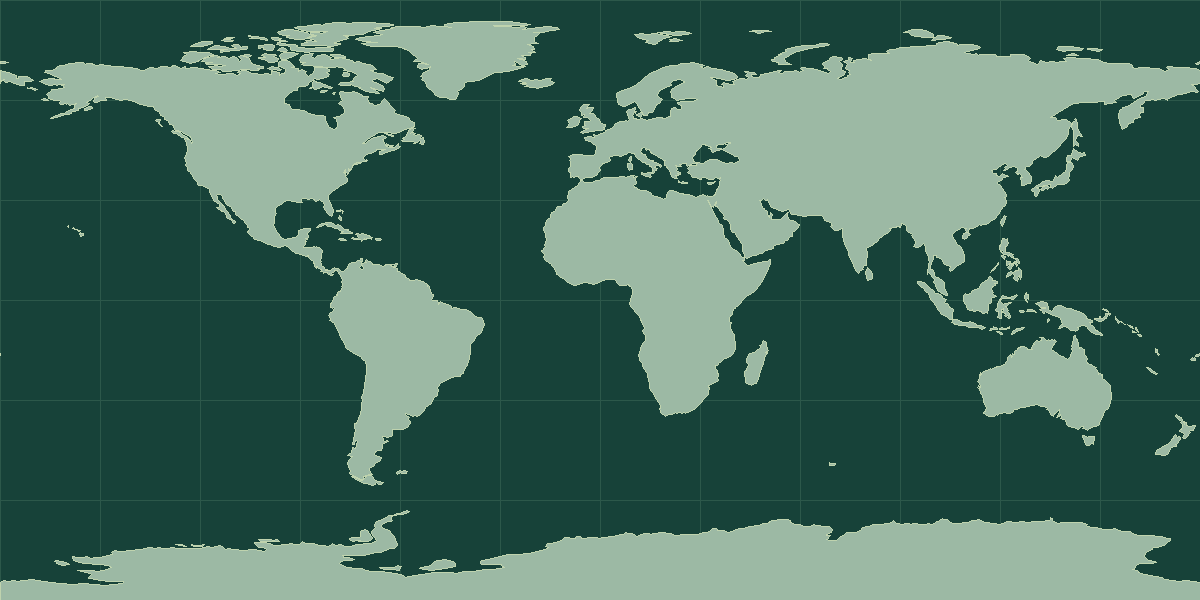
Explore on OpenStreetMap · Pin shows an approximate reference point.
Land neighbors in the atlas
Read the map and coordinates
The atlas places the reference point for Finland at 64° N, 26° E. Use the point to locate the entry on a world map, then zoom in to see the capital, islands, or coastline. The border list connects this map view with 3 neighboring entries in the directory.
Physical geography
The terrain notes for Finland identify plains and hills. The archived climate description includes temperate and polar or subpolar conditions.
- Highest point
- Halti (alternatively Haltia, Haltitunturi, Haltiatunturi) 1,328 m
- Lowest point
- Baltic Sea 0 m
- Mean elevation
- 164 m
- Coastline
- 1,250 km
- Forest cover
- 74.2% (2023 est.)
- Agricultural land
- 7.4% (2023 est.)
Coastline length is an archive estimate. The reported length can change with the measurement scale or the inclusion of small offshore features.
Physical geography source: archived CIA World Factbook profile for Finland.
Compare with Sweden
Sweden is a useful land-border comparison. The atlas lists Sweden at 450,295 km² and Finland at 338,424 km². On the map, locate Helsinki and Stockholm. Trace the shared border, then compare where the capitals sit in relation to that boundary. Open the comparison tool with Finland selected.
Finland in context
By total area, Finland ranks 65th among the 195 UN members and observers, at 338,424 km² (130,666 mi²). The nearest matches in size are Congo and Philippines. The World Bank estimate for 2025 is 5,646,436 people, about 17 per km². That ranks 117th of 215 atlas entries with population data and makes Finland far less densely settled than the typical entry.
The reference point is at 64° N, 26° E, in the Northern Hemisphere and in the Eastern Hemisphere. It shares land borders with 3 sovereign neighbors: Norway, Sweden, and Russia. It is one of 16 atlas entries in Northern Europe, within Europe. The dataset lists 2 languages: Finnish and Swedish; 1 currency: Euro (EUR).
Landscape and climate
Finland is a low, forested country with tens of thousands of lakes and a long Baltic coast with large archipelagos. Glacial deposits shaped the lakes and ridges, and the land is still rising slowly after the last ice age. Lapland in the north lies above the Arctic Circle, with midnight sun in summer and polar night in winter. Winters are cold, and summers are mild.
Facts worth knowing about Finland
- Finland has nearly 200,000 lakes.
- Large parts of the country lie within the Arctic Circle.
- The land is still rising after the weight of the ice sheet was removed.
- Helsinki, the capital, sits on the Gulf of Finland.
Common questions
What is the capital of Finland?
The atlas lists Helsinki as the capital.
How many people live in Finland?
The World Bank estimate for 2025 is 5,646,436. The series is dated and can be revised. Check that the geographic coverage matches before comparing it with another source.